
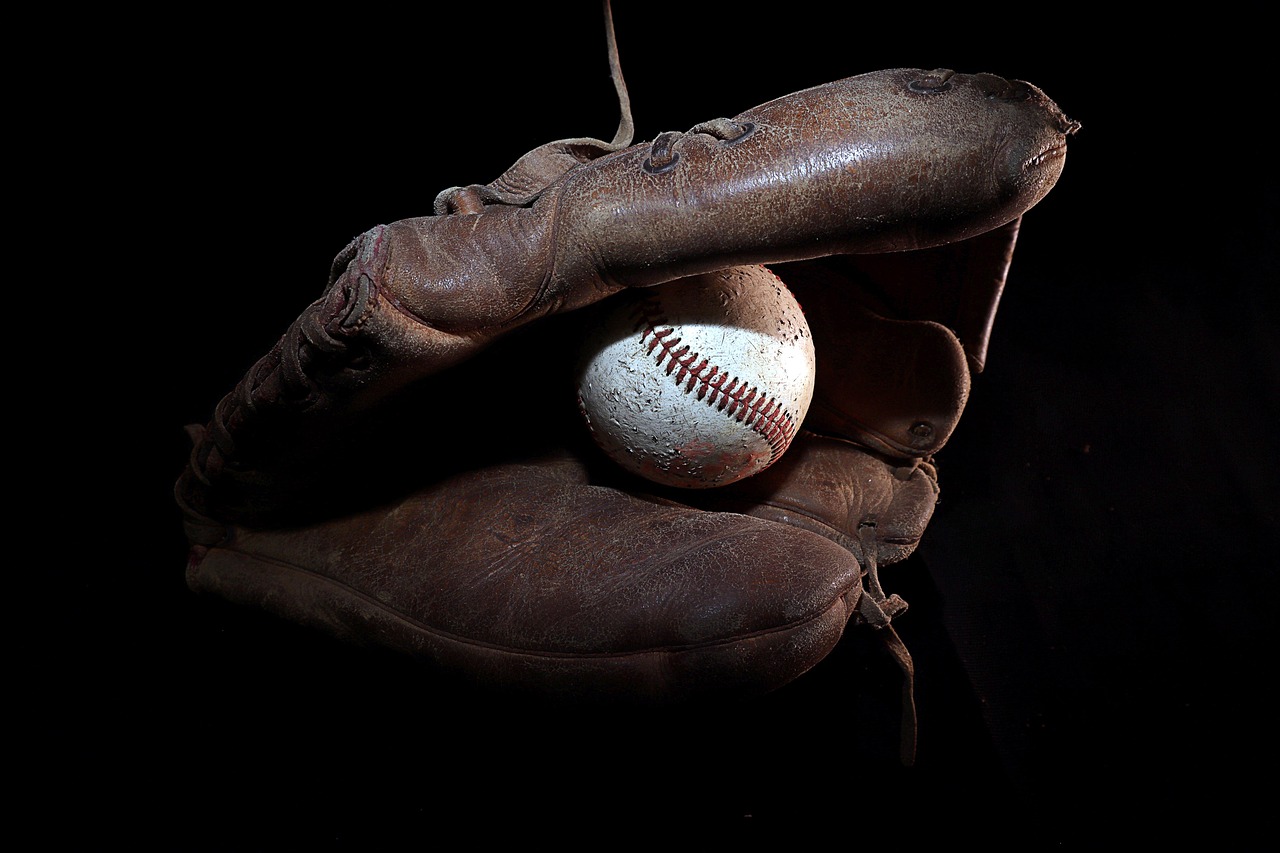
Choosing the best leather baseball glove isn’t just about looking good on the field—it’s about finding the perfect partner for every catch, scoop, and diving play. Whether you’re a player who spends hours working on ground balls, a coach helping younger athletes level up, or a fan who appreciates quality gear, the leather in your glove matters more than most people realize. Different leathers feel different, break in differently, and last for wildly different lengths of time.
Some gloves soften up quickly but lose their shape fast, while others start stiff but eventually mold into something that fits your hand like it was custom-made. That’s why understanding glove leather isn’t just gear talk—it’s game talk. In this guide, I break down what makes certain leathers stand out, what the pros look for, and how you can choose the best leather baseball glove for your style and level of play.
Why Leather Matters in the Best Leather Baseball Glove
Leather quality constitutes the foundation of any exceptional baseball glove. As one expert notes, “quality leather is the foundation of any good baseball glove,” affecting how the glove breaks in and performs on every play. In other words, picking the right leather is like choosing the right tool: a flimsy glove wears out fast, while a top-grade glove molds to your hand and keeps on playing. I have observed that novices often begin with synthetic mittens and subsequently transition to higher-grade leather as their skills develop. In my experience, even serious players learn that spending on quality leather pays off in the long run.
Common Baseball Glove Leathers
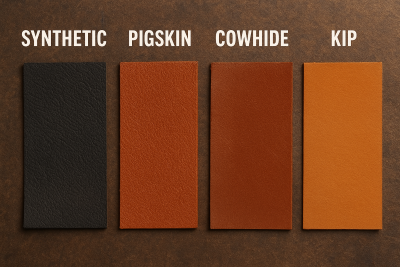
Baseball gloves come in a range of leathers, each with its own feel and performance characteristics. Here’s a quick overview:
Synthetic Leather
Used in many youth or beginner gloves. It’s cheap, lightweight, and almost game-ready out of the box, but it wears out quickly. Think of it like a rental car that gets the job done but isn’t built for miles of hard use.
Pigskin Leather
Found in some budget or specialty gloves. It’s easy to break in but doesn’t hold its shape or durability over time. Serious players usually skip pigskin—it’s a bit better than cloth, but nothing like the longevity of cow or kip leather.
Cowhide Leather (Full-Grain)
The classic choice for many players. A full-grain cowhide glove starts stiff but breaks in to become supple and form-fitting. It strikes a strong balance between cost, feel, and durability. High-quality cowhide (steerhide) can last for years if cared for, making it a reliable choice for high school and college players.
Kip Leather
A premium glove leather from younger cowhides. Kip is lighter and tighter-grained than steerhide, giving an ideal blend of softness and strength. In fact, industry experts call Japanese kip the “Rolls Royce of baseball glove materials” because it breaks in faster and holds its shape for years. Many college and pro players pay extra for kip gloves because they feel like an extension of the hand once broken in.
Steerhide Leather
Technically a heavy cowhide from older cattle. It’s the toughest leather around with a very long break-in period. Gloves like Rawlings’ Heart of the Hide use steerhide for its unbeatable durability. The trade-off? You need to work the leather hard up front, but in return you get a glove that will stay rock-solid even under heavy play.
Each of these materials is trusted at every level of baseball. For example, Steelo Sports notes that “Kip leather is usually the most preferred leather among professional players” thanks to its light weight and high quality. In short, choosing the best leather baseball glove depends on your level and priorities: novices may prefer lighter, easy-to-use hides, while veterans aim for top-tier leathers.
Picking Your Best Leather Baseball Glove
Choosing the ideal glove is a lot like choosing a vehicle. If you’re just cruising around town (playing recreationally), a basic model might suffice. But if you’re in it for the long haul (serious competition), you’ll want a high-end sports car of a glove. Here are some tips to steer you right:
- Match Leather to Your Level: Younger players often start with synthetic or standard cowhide gloves because they break in fast and cost less. High school and college players commonly upgrade to steerhide or kip for top performance.
- Balance Break-In vs. Durability: Stiffer leathers (full-grain cowhide, steerhide) take more time to soften. If patience is an issue, lighter premium leathers like kip offer a good middle ground: easier break-in but still very durable.
- Care for Your Glove: Any glove lasts much longer with proper maintenance. Don’t leave it in a hot car or let it dry out. If it gets wet, let it dry slowly and re-condition the leather. A little care goes a long way in extending even a basic leather glove’s life.
- Consider Comfort and Fit: Ultimately, the best leather baseball glove is one that feels good in your hand. Leather softens and molds uniquely to each player. In practice, catching a few balls is the real test—if it feels natural and secure, you’ve likely found a great fit.
- Investment vs. Replacement: Serious players often replace their gloves every season to maintain consistency. If you use your glove hard, think of premium leather as an investment. Remember that one cowhide yields only about 20 gloves, making top-tier leather a rarer, pricier resource. In this light, a more expensive glove can pay dividends over time.
Conclusion
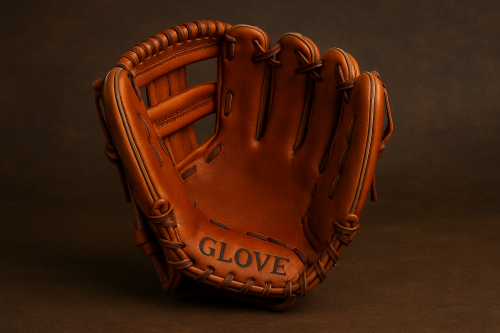
There’s a reason pro players spend more on their equipment: the glove is an extension of your hand. The best leather baseball gloves are usually crafted from top-grain hides like steerhide or kip. These leathers might cost more and demand some break-in, but they reward you with unmatched feel and longevity. In my experience, once you’ve caught fly balls with a well-broken-in kip leather glove, it’s tough to go back. Whether you’re a casual player or aiming for the big leagues, investing in a quality leather glove can elevate your game.
Frequently Asked Questions
What leather is best for a beginner baseball glove?
For younger or beginning players, synthetic leathers are often recommended because they require very little break-in. You get a feel for the game without dealing with a stiff glove.
What leather do professional players prefer?
Most college and pro players prefer kip leather (especially Japanese kip) for its lightweight strength and quick break-in. Some also choose high-grade steerhide (e.g. Rawlings Heart of the Hide). Ultimately, it’s about which feels best in their hand.
How long does it take to break in a premium leather glove?
If you only play catch, a full-grain or steerhide glove can take several weeks to fully break in. With extra work—like using glove conditioner, a mallet, or a catching machine—you might break it in in just a few days.
Why is kip leather more expensive?
Kip leather comes from younger cattle, making it lighter and finer-grained than adult steerhide. This premium leather is stiffer and more durable, so it commands a higher price.
How can I make my glove last longer?
Proper maintenance is key: don’t leave your glove in extreme heat, keep it conditioned, and store it where it won’t get crushed. Even a basic leather glove will last much longer with good care.